
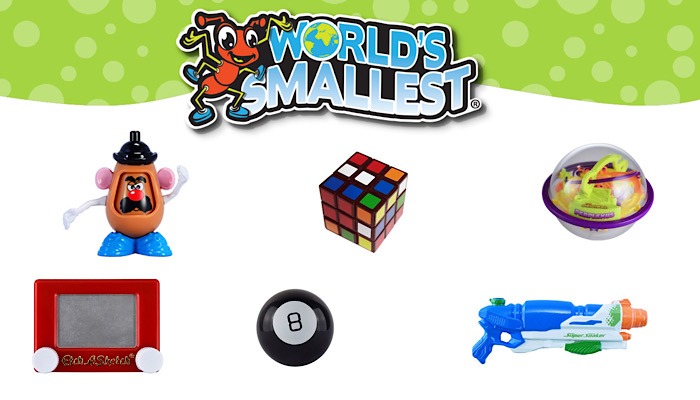
Retro-inspired toys and games are making a major comeback — and today’s shoppers cannot seem to get enough of them. From miniature arcade machines and collectible plush to updated versions of classic board games, nostalgia-driven products are becoming one of the most reliable categories for toy retailers and gift shops alike.
Consumers are increasingly drawn to products that remind them of their own childhoods. At the same time, younger generations are discovering the appeal of retro aesthetics through social media, influencer culture, and collectible trends. What was once considered a niche novelty category has evolved into a powerful retail opportunity that blends emotional connection with modern merchandising appeal.
Why Nostalgia Sells
Emotional Connections Drive Purchases
Nostalgia has always been a strong driver of consumer behavior, and the toy industry is no exception. Many shoppers are naturally drawn to toys and games they remember from childhood because those products create immediate emotional connections.
Parents often enjoy introducing their favorite childhood toys to their own children, while grandparents frequently purchase recognizable products as gifts. Familiar designs, retro packaging, and classic characters can trigger positive memories that influence purchasing decisions almost instantly.
This emotional connection also encourages impulse purchases. A shopper who may not have planned to buy a toy could suddenly decide to purchase a retro-inspired item simply because it feels familiar or comforting.
Social Media Has Revived Retro Trends
Social media has played a massive role in bringing retro-inspired toys back into the spotlight. Platforms like TikTok, Instagram, and YouTube have helped revive interest in vintage aesthetics, classic gaming, and collectible toy culture.
Retro toy unboxings, vintage collection videos, and nostalgic product reviews continue generating millions of views online. Influencers frequently showcase throwback toys alongside modern collectibles, helping classic-inspired products feel current and exciting again.
Younger audiences who never experienced many of these toys originally are now discovering them through viral content. Meanwhile, older audiences enjoy reconnecting with products they remember from childhood.
This combination creates powerful cross-generational demand that benefits retailers. When retro products trend online, they often drive in-store interest as shoppers search for collectible or hard-to-find items locally.
“Throwback” culture has become especially influential in gift buying, seasonal shopping, and collectible trends. Products that feel nostalgic while still fitting modern aesthetics often perform especially well because they balance familiarity with freshness.
The Types of Retro Toys Shoppers Want Right Now
Retro Gaming Toys and Handhelds
Classic gaming continues to dominate the retro toy category. Mini arcade machines, handheld gaming devices, pixel-inspired electronics, and classic-style gaming accessories remain highly popular among both collectors and casual shoppers.
Many modern versions of retro gaming products feature updated technology while maintaining the look and feel of older designs. This combination appeals to adults seeking nostalgia and younger consumers attracted to vintage-inspired aesthetics.
Classic Plush and Character Revivals
Retro-inspired plush toys and character revivals are also seeing renewed popularity. Vintage-style plush, re-released character collections, and throwback packaging designs continue drawing attention from collectors and families alike.
Familiar characters hold strong emotional value for many shoppers, which makes them especially effective during holidays and gift-giving seasons. Limited-edition releases and collectible plush series can also create urgency among customers eager to complete collections.
Board Games and Old-School Family Fun
Classic-style board games are also experiencing renewed demand as families look for more screen-free entertainment options.
Simple gameplay, recognizable formats, and family-friendly appeal make retro-inspired board games highly accessible to a wide range of shoppers. Many parents appreciate games that encourage family interaction without requiring complicated technology or lengthy setup.
During holidays and colder seasons, these products often become especially strong sellers because families spend more time indoors and focus more heavily on group entertainment.
Retailers benefit because classic-style games tend to attract shoppers across multiple age groups while also encouraging add-on purchases during seasonal shopping trips.
Why Retro Toys Perform Well in Retail Stores
Strong Impulse Buy Potential
Retro-inspired toys are highly visual, which makes them excellent impulse-buy products. Bright colors, vintage-inspired packaging, recognizable branding, and collectible formats naturally attract shopper attention.
Many retro products are also priced affordably, allowing customers to make quick purchasing decisions without extensive consideration. This makes them particularly effective near checkout counters, gift sections, or high-traffic display areas.
Multi-Generational Appeal
One of the biggest advantages of retro-inspired toys is their ability to appeal to multiple generations simultaneously.
Kids may enjoy the novelty and collectible aspects, while parents and grandparents connect with the emotional familiarity of the products. Collectors and casual shoppers alike also contribute to demand, giving retailers access to a much broader customer base.
Retro products also naturally encourage conversations between shoppers, which can increase browsing time and lead to additional purchases throughout the store.
Collectibility Keeps Customers Coming Back
Collectibility remains one of the strongest drivers behind retro toy sales. Blind boxes, mystery collectibles, limited-edition releases, and themed product series encourage customers to return repeatedly in search of new additions.
Retailers benefit because collectible culture helps build customer loyalty while also increasing store traffic over time. Customers who enjoy completing collections are more likely to revisit stores frequently to check for new arrivals.
How Retailers Can Successfully Merchandise Retro Toys
Create Nostalgia-Focused Displays
Grouping retro-inspired products together can create a stronger visual impact and help shoppers immediately recognize a themed section.
Vintage-inspired signage, colorful displays, throwback branding, and classic gaming imagery can all help reinforce the nostalgic appeal of the products.
Themed displays often encourage longer browsing times while increasing basket size as customers discover additional related items.
Pair Retro Toys with Trending Products
Retailers can also strengthen retro toy sales by combining nostalgic items with current trends.
Pairing classic-inspired toys alongside modern collectibles, sensory toys, licensed products, or trending character items helps broaden appeal across different shopper demographics.
This strategy allows stores to create displays that feel both familiar and current at the same time.
Stock Products That Blend Retro Style with Modern Features
The most successful retro-inspired products typically combine nostalgic aesthetics with modern updates.
Today’s shoppers often want products that feel familiar while still offering contemporary features, improved materials, or collectible elements. Retailers who focus on products that balance old and new styles are often better positioned to meet evolving customer expectations.